


Table of Contents
- Why Verifying American Made Quality Matters
- Step 1: Understand FTC Made in USA Standard Requirements
- Step 2: Learn to Spot Fake American Made Labels
- Step 3: Check the Difference Between Made In and Assembled In
- Step 4: Look for Third-Party Certification Marks
- Step 5: Research the Manufacturer's Supply Chain Transparency
- Step 6: Verify Through Direct Communication and Documentation
- Common Red Flags and How to Avoid Them
Last Updated: August 19, 2026
Why Verifying American Made Quality Matters
When shopping for personalized gifts, especially high-value items like custom jewelry or engraved blankets, "made in America" carries real weight. But the label alone doesn't tell the whole story. A product can be legally labeled "made in USA" while containing foreign components or minimal domestic work. Without knowing how to verify american made quality, you risk paying premium prices for items that don't deliver on that promise. At Bareluxes, we understand this concern deeply. This guide walks you through exact steps to verify american made quality claims, so you can shop with confidence.
The Federal Trade Commission (FTC) sets the standards, but enforcement relies heavily on consumer awareness. By learning to spot the difference between "Made in USA" and "Assembled in USA," understanding third-party certification marks, and researching supply chain transparency, you'll develop the skills to make informed purchases.
Step 1: Understand FTC Made in USA Standard Requirements
The FTC's "Made in USA" standard is the legal baseline for any american made quality claim. A product can only be labeled "Made in USA" if it is all or virtually all made in the USA. This means all significant parts and processing must be of U.S. origin, with final assembly occurring domestically as well.
The key word is "virtually all." The FTC allows for negligible foreign content if it's not practical to source domestically, but this exception is narrow. If a product contains significant foreign parts, it cannot claim "Made in USA" status.
In practice, when you see a personalized gift labeled "Made in USA," the design, materials sourcing, manufacturing, assembly, and packaging should all happen domestically. If a company sources raw materials from overseas but manufactures domestically, they can still claim "Made in USA." If they manufacture domestically but outsource assembly elsewhere, they cannot.
Many retailers use misleading language like "Made with American parts" or "Proudly assembled in America" to suggest domestic manufacturing when the majority of the product is actually foreign. These claims sidestep the FTC standard because they're technically not claiming full domestic origin.
To verify the FTC standard for a specific product, visit the FTC's official Made in USA guidance resource, which provides detailed examples and enforcement cases.
Step 2: Learn to Spot Fake American Made Labels
Fake or misleading "American made" labels are common and use sophisticated language designed to confuse consumers. The most common red flag is language that sounds American but isn't claiming full domestic manufacturing. Phrases like "Assembled in the USA," "Made with American pride," "Designed in America," or "Proudly made in America" can all be technically accurate while hiding foreign manufacturing or sourcing.
Another major red flag is the absence of a clear country-of-origin label. Federal law requires that most consumer products display their country of origin on the product itself or packaging. If you can't find a clear "Made in USA" label, that's a warning sign.
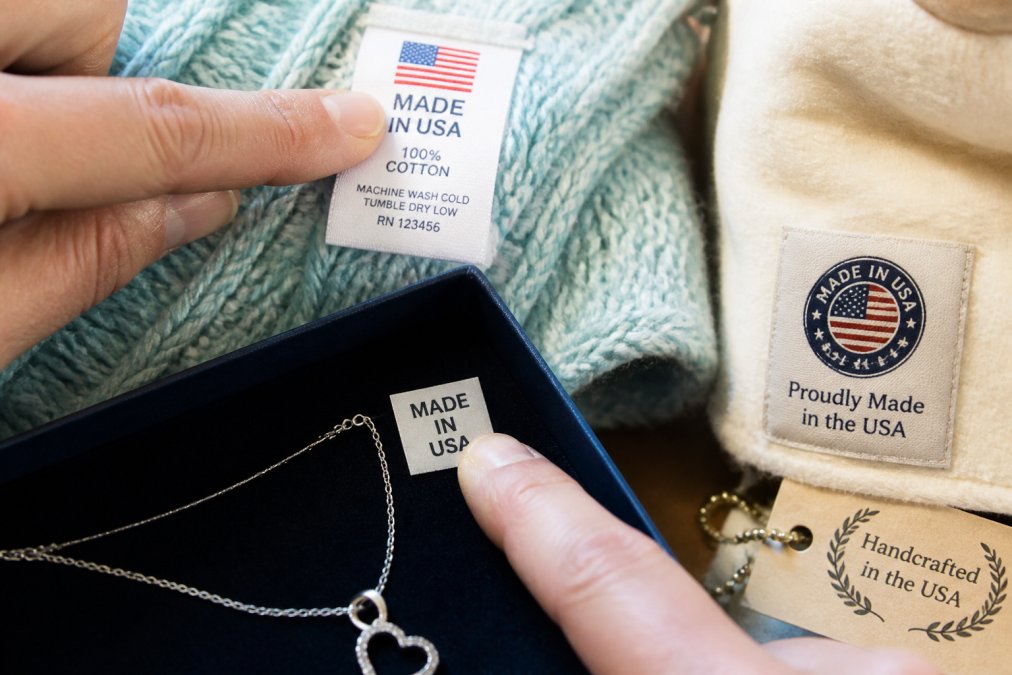
Look closely at the label format itself. Legitimate "Made in USA" labels are usually clear and prominent. Fake or misleading labels often use unusual fonts, small print, or ambiguous wording. Another common tactic is using a state name to imply domestic manufacturing when the product is actually manufactured elsewhere.
Check the packaging and marketing materials too. If a company is genuinely committed to domestic manufacturing, they'll make it obvious throughout their marketing. If the "American made" claim only appears in fine print, they may be capitalizing on the label without fully delivering on it.
Step 3: Check the Difference Between Made In and Assembled In
Understanding the legal distinction between "Made in USA" and "Assembled in USA" is essential for verifying american made quality. These terms have very different meanings under FTC regulations.
"Made in USA" means the product is all or virtually all made domestically, including design, raw materials, manufacturing, and assembly. This is the strictest claim and requires the most domestic content and labor.
"Assembled in USA" means only the final assembly step occurred domestically. The components, raw materials, and manufacturing could be entirely foreign. A product can be "Assembled in USA" while being 95% foreign-made.
A practical example: a personalized necklace could be manufactured in China, shipped to a U.S. facility, and then have a customer's name engraved domestically. Technically, it was "assembled" or "finished" in the USA, but the vast majority of manufacturing and labor happened overseas. This product cannot legally claim "Made in USA," but it can claim "Assembled in USA."
When shopping for personalized gifts from companies like Bareluxes that emphasize domestic craftsmanship, ask directly: Is the entire product made domestically, or just assembled/finished domestically? The answer reveals how much of your purchase actually supports U.S. labor and manufacturing.
Other similar terms to watch for include "Finished in USA," "Packaged in USA," and "Distributed from USA." All suggest that only final stages happened domestically.
Step 4: Look for Third-Party Certification Marks
Third-party certification marks are one of the most reliable ways to verify american made quality because they involve independent verification.
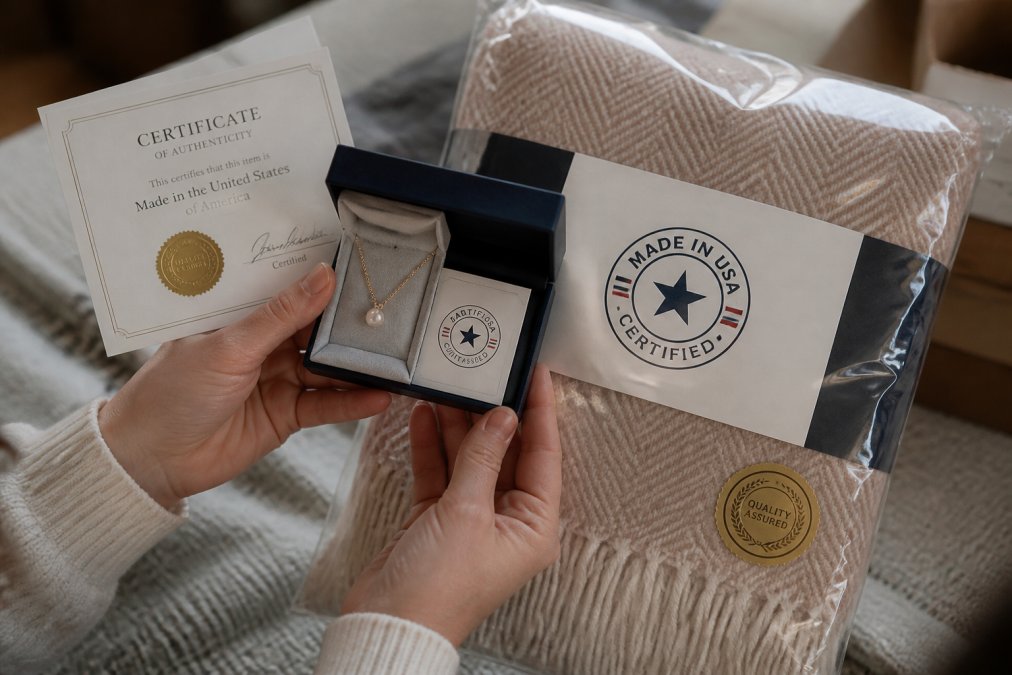
When shopping for personalized gifts, look for these marks prominently displayed on the product, packaging, or the company's website. Legitimate certifications come with documentation; manufacturers should be able to provide a certificate or reference number that you can verify with the certifying organization.
A common mistake is confusing marketing logos with actual certifications. A company might create its own "certified American made" badge, which has no legal weight. Real certifications come from independent organizations. If you're unsure whether a mark is legitimate, search for the certifying organization online.
Step 5: Research the Manufacturer's Supply Chain Transparency
Manufacturers that provide supply chain transparency are usually more confident about their domestic manufacturing claims. Start by visiting the manufacturer's website and looking for detailed information about where they source materials, where manufacturing happens, and which facilities are involved.
Ask direct questions if the information isn't readily available. Contact customer service and ask: Where are raw materials sourced? Which facilities manufacture the product? Is assembly done domestically? Legitimate domestic manufacturers will answer these questions clearly. If a company is evasive or provides vague responses, that's a red flag.
Look for case studies, blog posts, or published reports from the manufacturer about their production process. Companies genuinely committed to domestic manufacturing often publish this information to build trust. They might feature factory tours, explain quality control processes, or discuss their commitment to supporting U.S. labor.
Check whether the manufacturer holds industry certifications like ISO 9001, which verifies manufacturing and quality management standards. These certifications require ongoing audits and compliance.
Social media and review platforms can also provide clues. If customers consistently mention quick arrivals or frequent production communication, that suggests domestic manufacturing. International manufacturing typically involves longer lead times.
For personalized gifts specifically, ask about the personalization process. Is it done domestically? Companies like Bareluxes that emphasize domestic craftsmanship will explain exactly where and how your custom item is personalized.
Step 6: Verify Through Direct Communication and Documentation
The most direct way to verify american made quality is to ask the manufacturer directly and request documentation. When contacting a manufacturer, ask specific questions: What percentage of the product's content is sourced domestically? Which manufacturing facilities are used, and where are they located? Can they provide documentation of domestic manufacturing? Do they hold any third-party certifications?
Request documentation such as:
- Certificates of origin for materials and components
- Manufacturing facility certifications or licenses
- Third-party audit reports (if available)
- Supply chain documentation showing material sourcing
Legitimate manufacturers will have some or all of this documentation available. Pay attention to the company's responsiveness and detail level. A company that provides specific, detailed information is more credible than one that gives vague responses.
For personalized gifts, ask about the customization process specifically. How is your name engraved or personalized? Is that done domestically? What's the timeline from order to shipment? Companies with domestic manufacturing typically have faster turnarounds.
Document your communication. If a company makes specific claims about domestic manufacturing via email, save that correspondence. It creates a record and holds the company accountable.
Common Red Flags and How to Avoid Them
Certain patterns consistently indicate questionable "American made" claims. Unusually low prices for items claiming domestic manufacturing is a major red flag. Domestic labor and materials are more expensive than overseas production. Compare pricing across multiple manufacturers to establish a realistic range.
Vague or constantly changing origin claims suggest inconsistency or dishonesty. If a company's website says "Made in USA" one month and "Assembled in USA" the next, that's suspicious.
No physical address or facility information is concerning. Legitimate manufacturers have actual facilities that can be verified. If a company only provides a P.O. box or doesn't disclose where manufacturing happens, that's a warning sign.
Unwillingness to answer questions about sourcing or manufacturing is perhaps the biggest red flag. Companies confident in their domestic manufacturing welcome these questions. If customer service is evasive or defensive, that suggests they have something to hide.
No third-party certifications or industry affiliations doesn't automatically mean dishonesty, but it does mean you have fewer independent verification options.
To avoid these red flags, do your homework before buying. Compare multiple manufacturers' claims and pricing. Read customer reviews focusing on manufacturing quality and origin. Check the company's website for specific information about where products are made. And when in doubt, ask directly.
When you're investing in personalized gifts meant to last and matter, knowing you're supporting domestic craftsmanship makes the purchase more meaningful. Bareluxes stands behind its commitment to designing, assembling, and shipping products from a USA-based facility. By applying the verification steps in this guide, checking FTC standards, spotting misleading labels, understanding the "Made in" vs. "Assembled in" distinction, looking for third-party certifications, researching supply chain transparency, and communicating directly with manufacturers, you'll develop the confidence to verify american made quality claims for any product. Shop with clarity, support domestic manufacturing, and give gifts you know are genuinely crafted with care.
Frequently Asked Questions
What exactly does the FTC Made in USA standard require?
The FTC's Made in USA standard requires that all or virtually all of a product's components and processing be domestic. This means the raw materials, manufacturing, and assembly must occur in the United States. The FTC enforces this standard to prevent deceptive marketing. Products claiming Made in USA must meet this stringent requirement, partial domestic content doesn't qualify. Many manufacturers use the term 'Assembled in USA' instead when components come from abroad, which is a legally distinct claim.
How can I tell if an American made label is fake?
Fake labels often lack proper FTC compliance language, show vague sourcing claims, or fail to specify manufacturing location. Look for red flags: tiny print that's hard to read, missing 'Made in USA' certification, or claims like 'Proudly American' without legal backing. Legitimate labels clearly state country of origin, include manufacturing details, and may display third-party certification marks. Request documentation from the seller, reputable domestic manufacturers provide supply chain transparency and can verify their claims with invoices or certifications.
What's the difference between Made in USA and Assembled in USA?
Made in USA means all significant components and processing occurred domestically. Assembled in USA means final assembly happened here, but components may be foreign-sourced. The FTC distinguishes these terms strictly, companies must use the accurate label. A product assembled in the USA with imported parts cannot claim Made in USA status. Understanding this distinction helps you verify authentic domestic manufacturing. Always check the label language carefully, as it reflects the actual domestic content level.
What should I look for when researching a manufacturer's supply chain?
Request information about raw material sourcing, component suppliers, and manufacturing facilities. Legitimate domestic manufacturers willingly share factory locations and supplier details. Check if they publish supply chain transparency reports or third-party audit results. Visit their website for manufacturing information and certifications. Ask direct questions about foreign components or outsourced production. Small USA-based businesses often highlight their domestic operations as a core value, if a company avoids these questions or provides vague answers, that's a warning sign about their actual manufacturing practices.
This article was written using GrandRanker


